
Anxiety
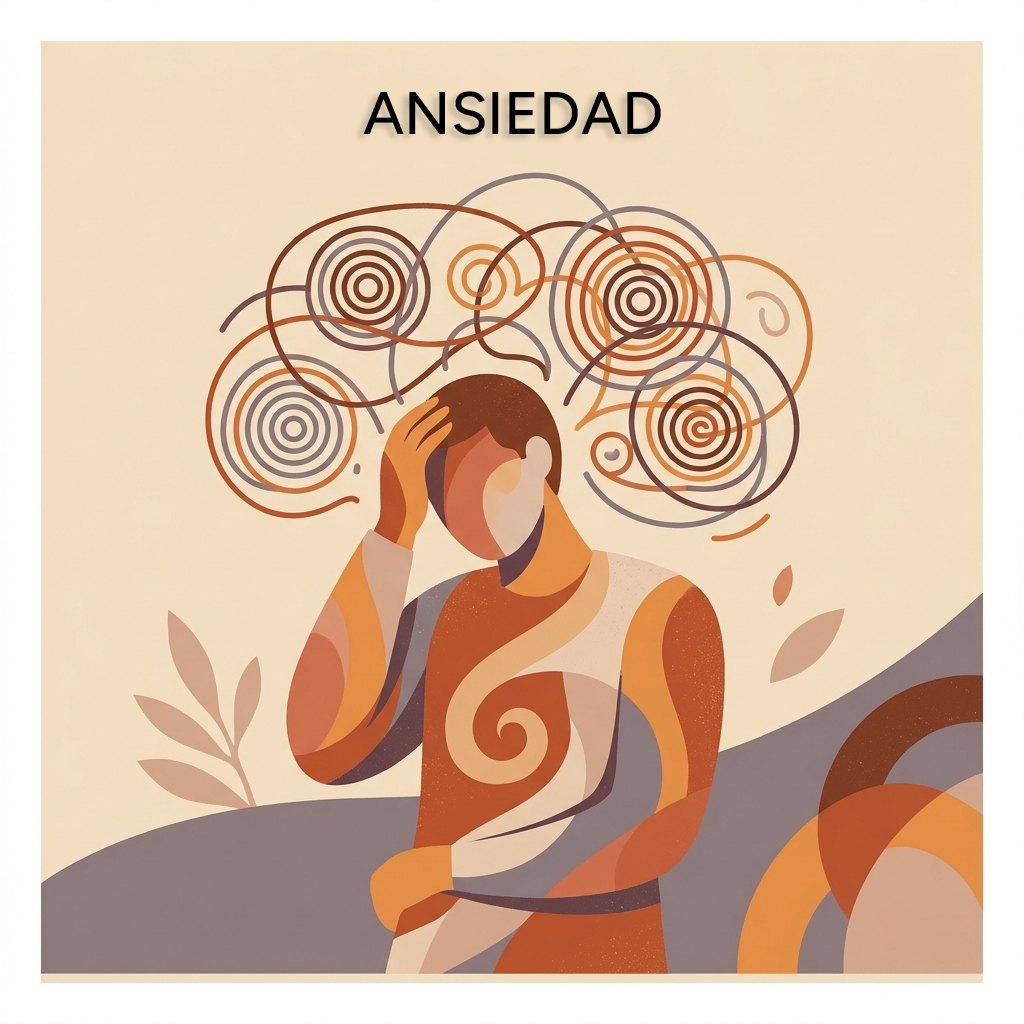
Everyone knows what it is like to feel nervous before something important. That is normal, useful and part of how we work. Anxiety that needs attention is something else. It is when the alarm goes off without any real danger, or goes off with an intensity completely out of proportion to what is happening. It is when body and mind are in a constant state of alert that does not switch off, that interferes with work, relationships, sleep and the ability to enjoy things, and that over time becomes the axis around which everything else turns.
Anxiety is the most common psychological problem worldwide. It is also one of the most misunderstood, because from the outside it can look as if the person is “exaggerating” or “should just relax”. But anxiety is not a choice, it cannot be controlled through willpower, and it does not go away simply because you want it to. It has real emotional roots that need attention.
What anxiety is and when it becomes a problem
Anxiety is the nervous system’s response to something it perceives as a threat. In its adaptive form it is useful: it activates us, prepares us to respond and helps us perform under pressure. The problem appears when that response is triggered chronically, disproportionately or without a clear trigger.
When anxiety becomes a problem, the alarm system is always on. The body lives in a state of sustained tension, constantly anticipating what might go wrong, reading situations as dangerous when objectively they are not, and causing real, very limiting distress that does not go away with rest or holidays.
Why anxiety appears
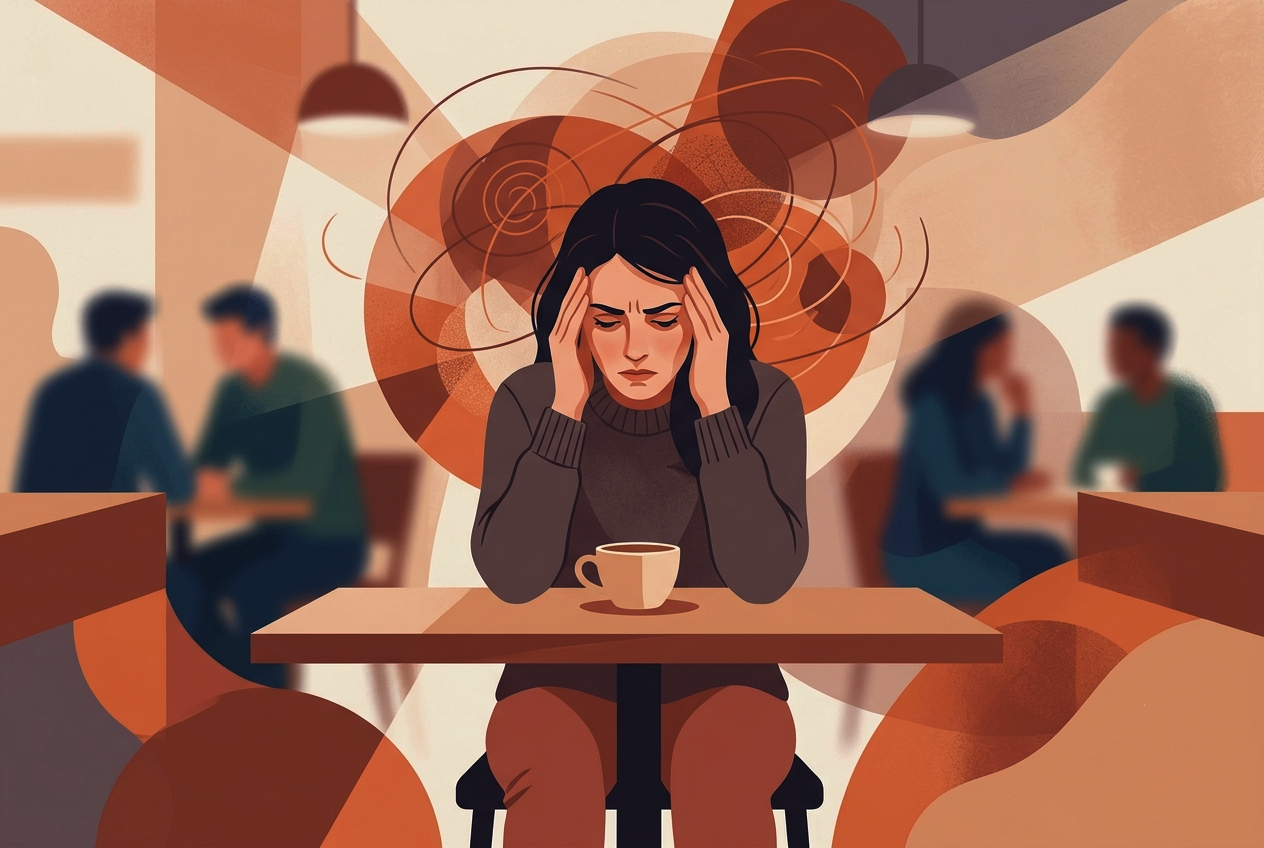
Anxiety does not appear because a person is weak or exaggerating. It appears because at some point the emotional system learned that the world is a threatening place, that certain situations are dangerous, or that you must always stay alert so that nothing bad happens. That learning can come from early experiences, unprocessed trauma, an accumulation of sustained stress, or a way of relating to emotions in which feeling difficult things is experienced as a threat in itself.
From the perspective of Emotion-Focused Therapy, we understand that behind almost all anxiety there are emotions that have not been processed: a fear that has never been faced, a sadness that has turned into constant alertness, an anger that has found no outlet and has become tension, a need to control what cannot be controlled. Anxiety is often the voice of emotions that have not found another channel.
How it shows up
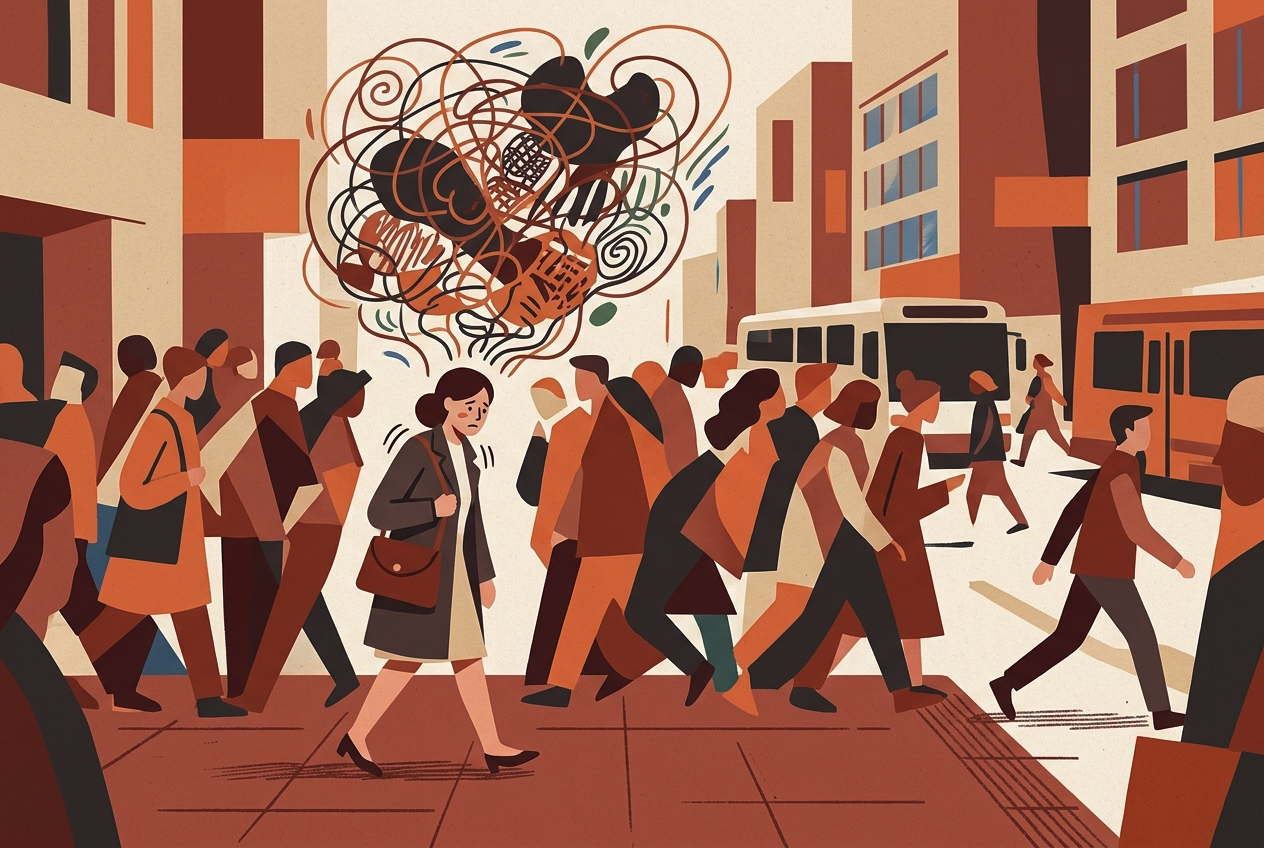
Physically: muscle tension, palpitations, shortness of breath, a knot in the stomach or throat, dizziness, sweating, insomnia, fatigue, headaches, digestive problems. The body carries what the mind cannot process.
Emotionally: constant restlessness, a sense of imminent threat, irritability, difficulty relaxing, fear of losing control, a feeling that something bad is about to happen even when there is no specific reason.
Cognitively: looping thoughts that cannot be stopped, constantly expecting the worst, difficulty concentrating, a racing mind that never rests, a tendency to read ambiguous situations as dangerous.
Behaviourally: avoiding situations that cause anxiety, constantly seeking reassurance or signs that everything is fine, difficulty making decisions, relying on other people to face what causes fear.

The most common forms of anxiety
Anxiety does not take a single form. It can show up as generalised, constant worry about almost everything, as sudden and intense panic attacks, as specific phobias of particular situations, as social anxiety about other people’s presence or judgement, or as anticipatory anxiety that appears before feared situations. Although they share the same roots, each one has its own pattern and its own approach.
What does not solve anxiety
Avoiding the situations that trigger it. Constantly distracting yourself so you do not feel it. Trying to control it through willpower. Waiting for it to pass on its own. All of this can bring short-term relief, but in the long term it reinforces the pattern, because the brain learns that those situations really are dangerous, and next time the alarm goes off even louder.
Treating only the symptoms without working on what lies underneath does not solve the problem either. Anxiety has emotional roots, and if they are not addressed, the symptoms tend to come back even after disappearing for a while.
How we work with anxiety at Tierra de Crecimiento
At Tierra de Crecimiento Psicología we work with anxiety from its emotional roots. This means we do not limit ourselves to teaching techniques to manage symptoms when they appear, although we work on that too. We help you understand what lies beneath the alarm: which emotions have not found another channel, and what your nervous system learned at some point that is no longer useful, and how to change that way of processing the world so that anxiety stops being your default state.
We also work on avoidance, one of the main mechanisms that keeps anxiety going, and on your relationship with uncertainty, because at the heart of almost all anxiety there is difficulty tolerating what cannot be controlled or predicted.
The work takes place in individual sessions, in person or online, and is fully adapted to each person and to the specific way anxiety shows up in their life. When anxiety is very intense or has gone untreated for a long time, therapy can be complemented by a medical assessment that considers medication, always as an additional tool alongside the emotional work.
If something you have read resonates with you, we can help. Contact us for an initial, no-commitment consultation.
Do you recognise yourself in what you have read about anxiety?
Understanding what is happening to you is already a first step. If you like, we can have a free, no-commitment 15-minute chat to see how we can support you.
Or call us on +34 678 115 189. The first 15-minute call is free, in Madrid or by video call.
Contact us
Message or call us
If you prefer to write in your own time, our contact page has our phone numbers and email. We reply within 24 hours.
Tell us what you need
Leave your details and availability, and we will call you for a short, no-commitment chat. We reply within 24 hours.
Basic data protection information. Data controller: Tierra de Crecimiento Psicología. Purpose: to respond to your enquiry and, if you wish, arrange your appointment. Legal basis: your consent. Your data is treated confidentially and is not shared with third parties unless required by law. You can exercise your rights by writing to contacto@tierradecrecimientopsicologia.com.
More information in our Privacy Policy.
This is not an emergency service. If you are in danger or need immediate help, call 112 or the 024 helpline (free, 24 hours a day).
How the first step works
- We replyWithin 24 hours, by phone or however you prefer.
- A no-commitment chatA short call to hear what brings you here and explain how we work.
- First sessionIf it feels right, we book it with you, in person in Madrid or online.